Overview
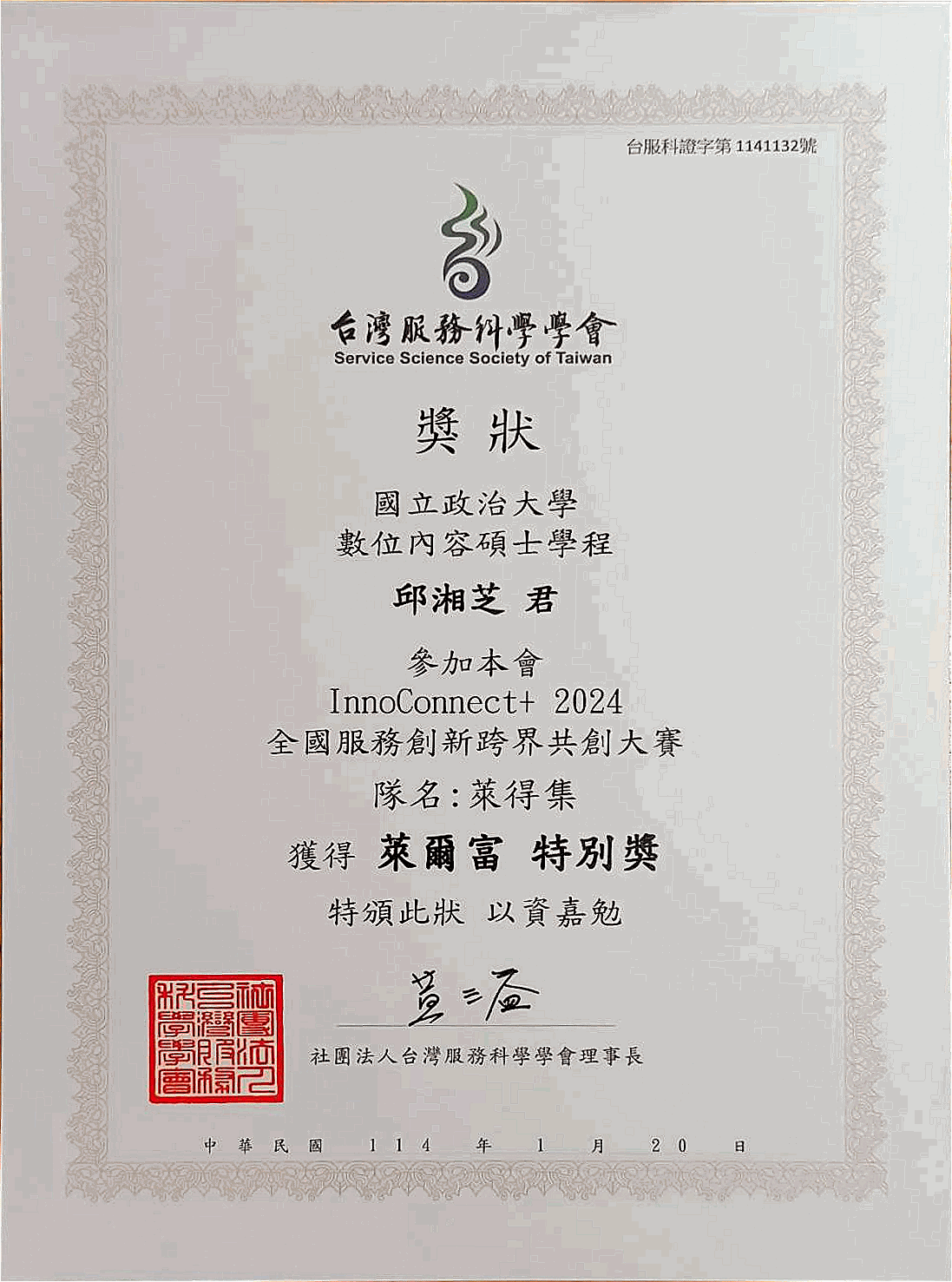
In the post-pandemic landscape, we set out to raise both the usage and the emotional pull of convenience-store gifting. We ran user research on Hi-Life's gifting service (「來送禮」), and through changes to the flow, the emotional mechanics and the marketing strategy arrived at Hi-Life Gift Calendar (萊愛曆) — a service that carries a genuine gesture and gives people a reason to keep coming back. It was recognised with the Special Award in the Hi-Life Corporate Track at 2024 InnoConnect+.
Key outcomes
- Repositioned the gifting service: from simple drink-credit storage and online purchasing to a service carrying two kinds of value at once — emotional connection and convenience.
- Proposed the Gift Calendar strategy: turning an act of giving into an ongoing emotional exchange.
- Improved the service flow and experience: fewer steps, a cleaner interface, and digital greeting cards with more added value and more interaction in them.
Role & contribution
- Research synthesis and design: led the team in converging on our findings and putting forward the new concept.
- Presentation and communication: turned the results into a written proposal and a deck, and presented them to the company.
Background & problem
The digital economy accelerated after the pandemic, and online shopping, gifting and pre-paid drink credit became the battleground for convenience store chains and e-commerce platforms alike. Consumers' lifestyles and spending patterns have moved steadily towards the digital and the personalised.
- The convenience store's role has shifted: it is no longer just where you do your daily shopping, but a platform for a range of services and for creating value. Meeting people's needs on product choice and price alone is no longer enough to hold them; the added value of the product or service has to rise, so that each purchase becomes an experience with some warmth to it.
- The rise of online gifting: services like LINE Gifts have successfully made traditional gift-giving digital and emotional in recent years — but they cluster around birthdays, holidays and other specific moments, and they are not connected to physical stores.
- The market gap: convenience-store drink credit and bulk-buy-collect-later services are largely built around buying for yourself, with no scenario designed for carrying a feeling to someone else. E-commerce platforms and convenience stores are not closely integrated, which makes redemption awkward, weakens brand stickiness and leaves the experience incomplete.
Hi-Life, as a convenience store brand with deep local roots, already has a stable customer base and digital services of its own. In a crowded market, its gifting service is an attempt to use emotional interaction and local resources to turn the convenience store into a bridge between people — joining everyday shopping to digital gift-giving, and giving customers an experience they have not had before.
Research & design process
1. Secondary research
Gathered material on the convenience-store industry and digital gifting platforms, and analysed how Hi-Life's gifting service differs from other bulk-buy-collect-later and digital gifting services.
Used a SWOT analysis to draw out an initial picture of its strengths and its challenges.
2. Field observation and in-depth interviews
Site visits and observed use: we asked customers who had used the gifting service to walk through it for real, recording what they did and how they reacted.
In-depth interviews with users across age brackets: 15–22, 25–35, and 55 and over.
3. Synthesis and analysis
Used empathy maps and the KJ method to organise the interview data into people's core needs and the emotional appeals underneath them.
Separated out the target audiences (primary: young office workers and older adults; secondary: students) and then worked through the differences in their motivations and needs.
4. Generating and validating service concepts
Through brainstorming and scenario-based storytelling, we generated a range of improvements to the gifting service — custom greeting cards, a return-gift feature, a mechanism for looking back on past exchanges, and more.
We built prototypes and drew up a service blueprint so the team and users could test feasibility and experience. We kept adjusting on the feedback, and finally converged on the two-stage Gift Calendar strategy, which brings convenience and emotional value together.
Key insights & problem analysis
1. People who had never used the gifting service: opportunity and market positioning
- The mainstream convenience-store audience: 7-Eleven's and FamilyMart's core customers are mostly office workers and students, and both chains hold high market share and brand loyalty. The competitive pressure is severe.
- Hi-Life's difficulty: fewer stores, a low membership conversion rate and too few reasons to walk in, which makes it hard to go head-to-head with the two market leaders.
- Where the opportunity lies: Hi-Life is differentiated by its local operations and its digital services, gifting among them. The gifting flow is simple, and crucially it works without a membership account and without downloading an app — a low barrier that suits people who are led by convenience, or who are not digital natives. Active seniors and older consumers are becoming a major source of spending power, with strong demand for health products, in-person community and ways to express care, which gives the gifting service a clear market position. This group wants connection with family, and younger customers will often use a service precisely on an older relative's behalf. (P3: "My dad can collect what I send him without dealing with a membership account — that's why I used the gifting service to send him something.")
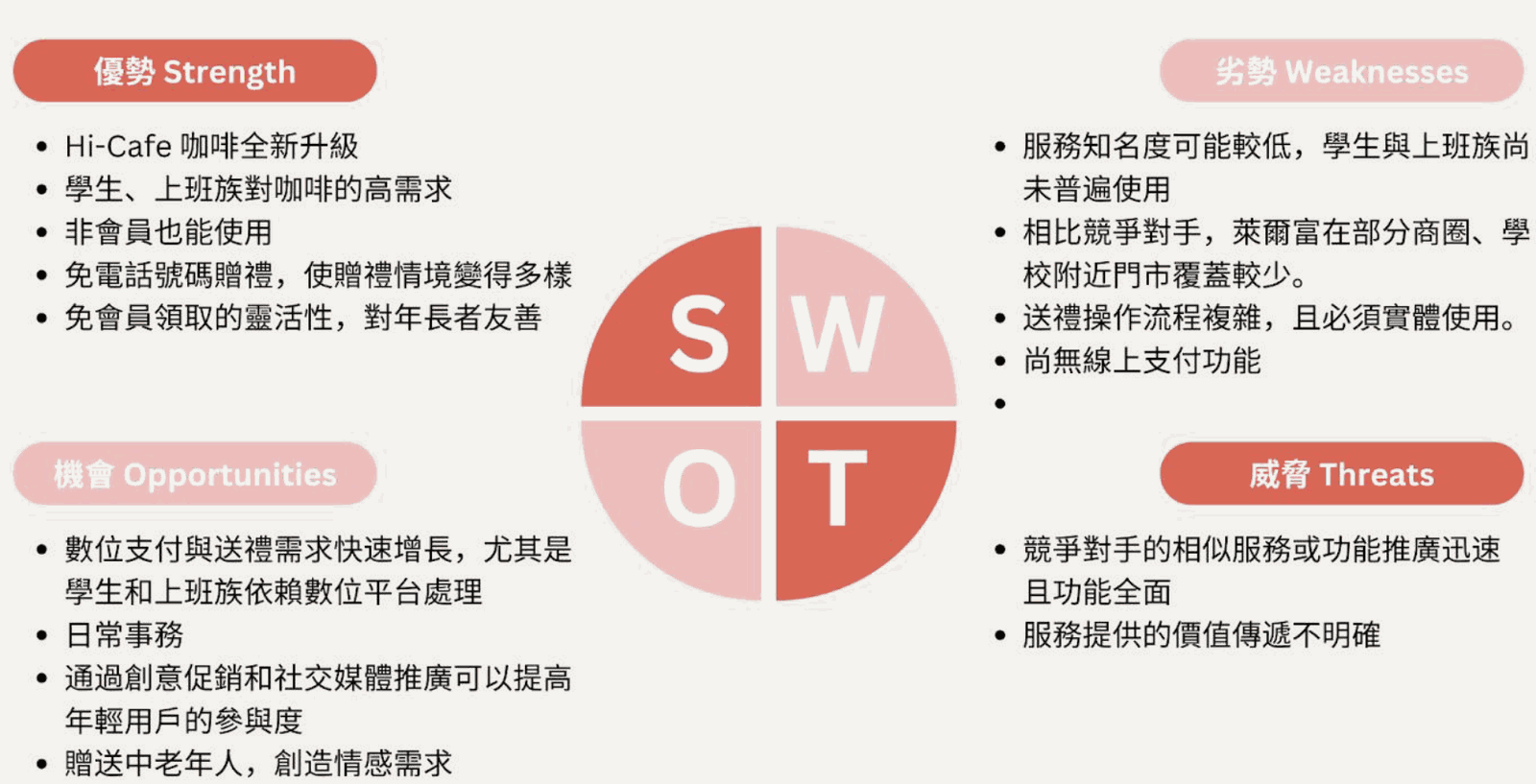
Conclusion: gifting can serve as the way in for non-members and for younger people outside the mainstream audience, giving them a reason to walk into Hi-Life. Paired with a Hicafe product push, it creates a complete journey from an emotional gift to trying the products themselves.
2. People who had used the gifting service: the flow and what goes wrong in it
- How it actually gets used: the overwhelming majority of interviewees said they used it for themselves rather than to give anything away. (P6: "Group-buying tea eggs through the gifting service is the cheapest way to do it!")
- Problems and openings: there is no visible promotion and no guidance on how to use it, so anyone not already familiar with the service will never notice it exists. After the gift is sent, the customer journey offers nothing further — no interaction, no feedback — so it neither deepens the brand impression nor lets people discover the gifting value in it. Which is why almost every interviewee still treats the service as an alternative form of bulk-buy-collect-later.
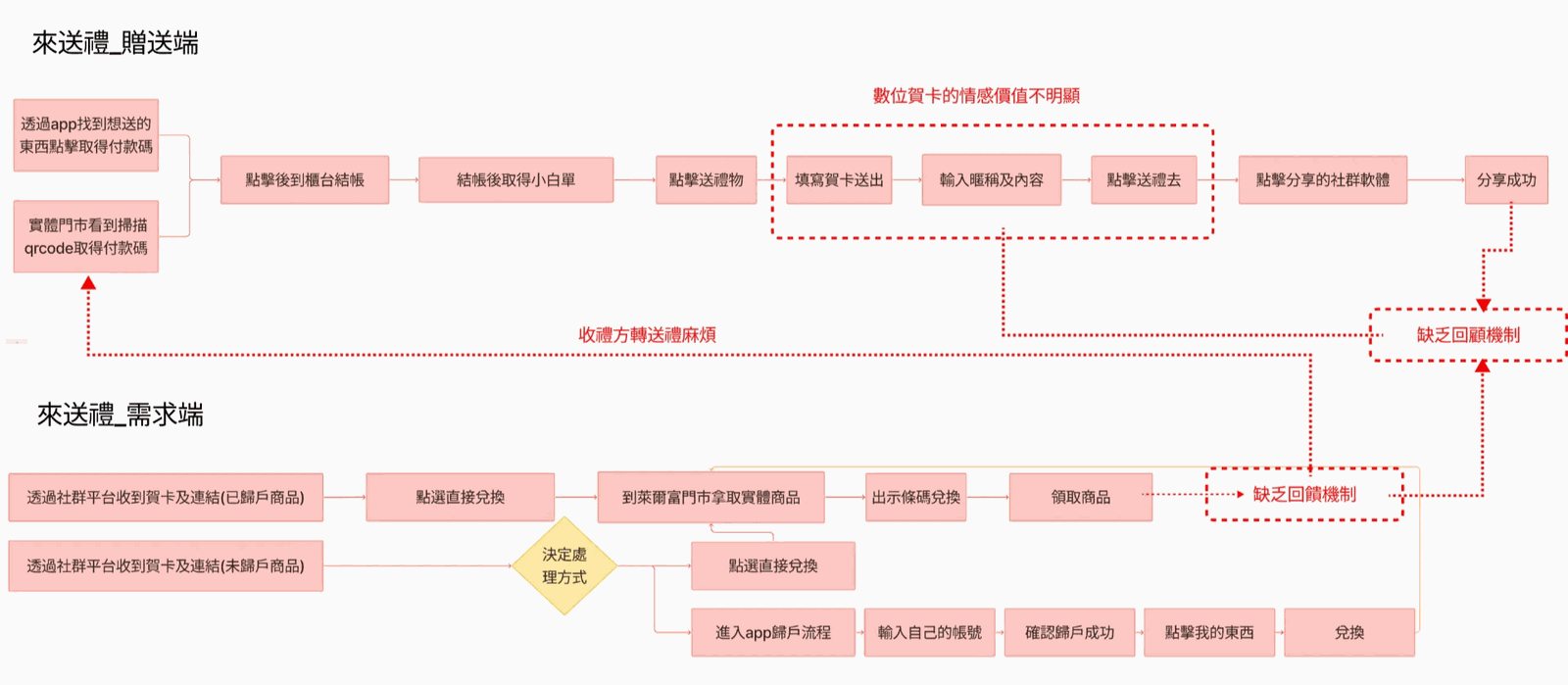
Conclusion: as a lightweight interaction open even to non-members, the gifting service has real potential for holidays and social occasions. But as the flow stands, the emotional value of giving never comes through clearly enough to bring people back.
3. Analysing the problems with the service
Taking those insights together, the problems break down into friction (what stops people using it) and pull (what would draw them in):
Friction from a cumbersome flow
Passing a gift on requires handling it physically, which adds a whole extra step. That physical hand-off is fiddly, and it costs the service both flexibility and practicality as a way of expressing care.
Too little emotional pull
With no way to look back and nothing to interact with, sender and recipient have no reason to keep talking after the exchange. The digital greeting card carries no clear emotional value, leaves no impression, and does nothing for retention.
Too little brand pull
Younger people and older relatives rarely use the service and awareness is low. When people choose a gift, habit points them to better-known brands, so the service ends up being used for oneself. Low brand visibility keeps both market share and usage down.
Strategy
Working from those problems, we set out the following strategy:
Fix the flow (reduce friction)
Streamline the act of sending a gift, lower the barrier to entry and make it immediate. A first-time user should be able to send something easily, and enjoy doing it.
Promote it emotionally (increase pull)
Add ways to look back and to interact — likes, comments — that strengthen the emotional value. Improve the digital greeting card so a gift becomes more memorable and more interactive, and retention rises with it.
Brand and community (increase pull)
Design interactions that give gift-giving a sense of ritual and social reach. Spreading through people's own networks raises brand awareness and draws more users in.
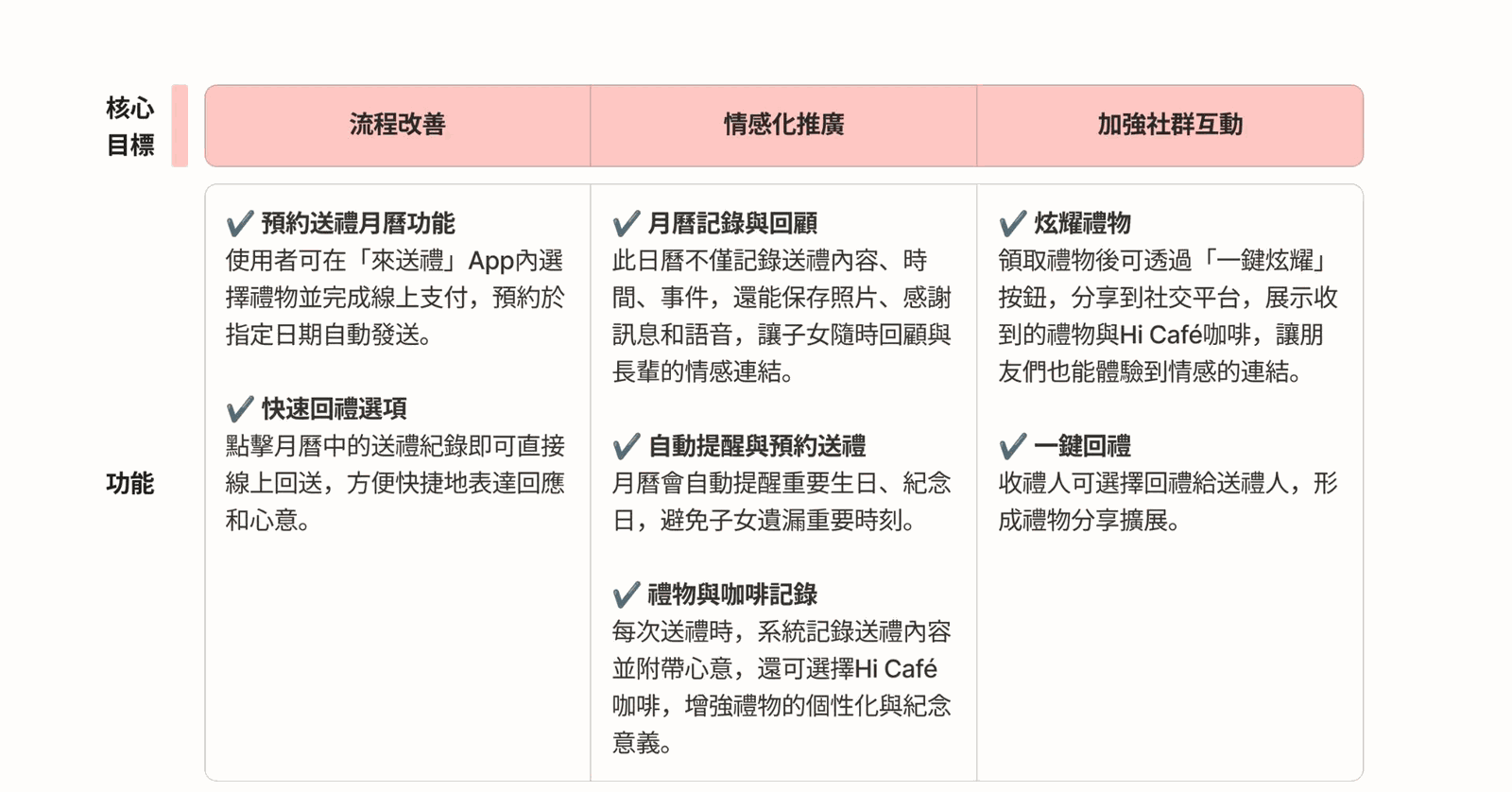
From that strategy we generated service ideas and converged them into the following table:
Design proposal
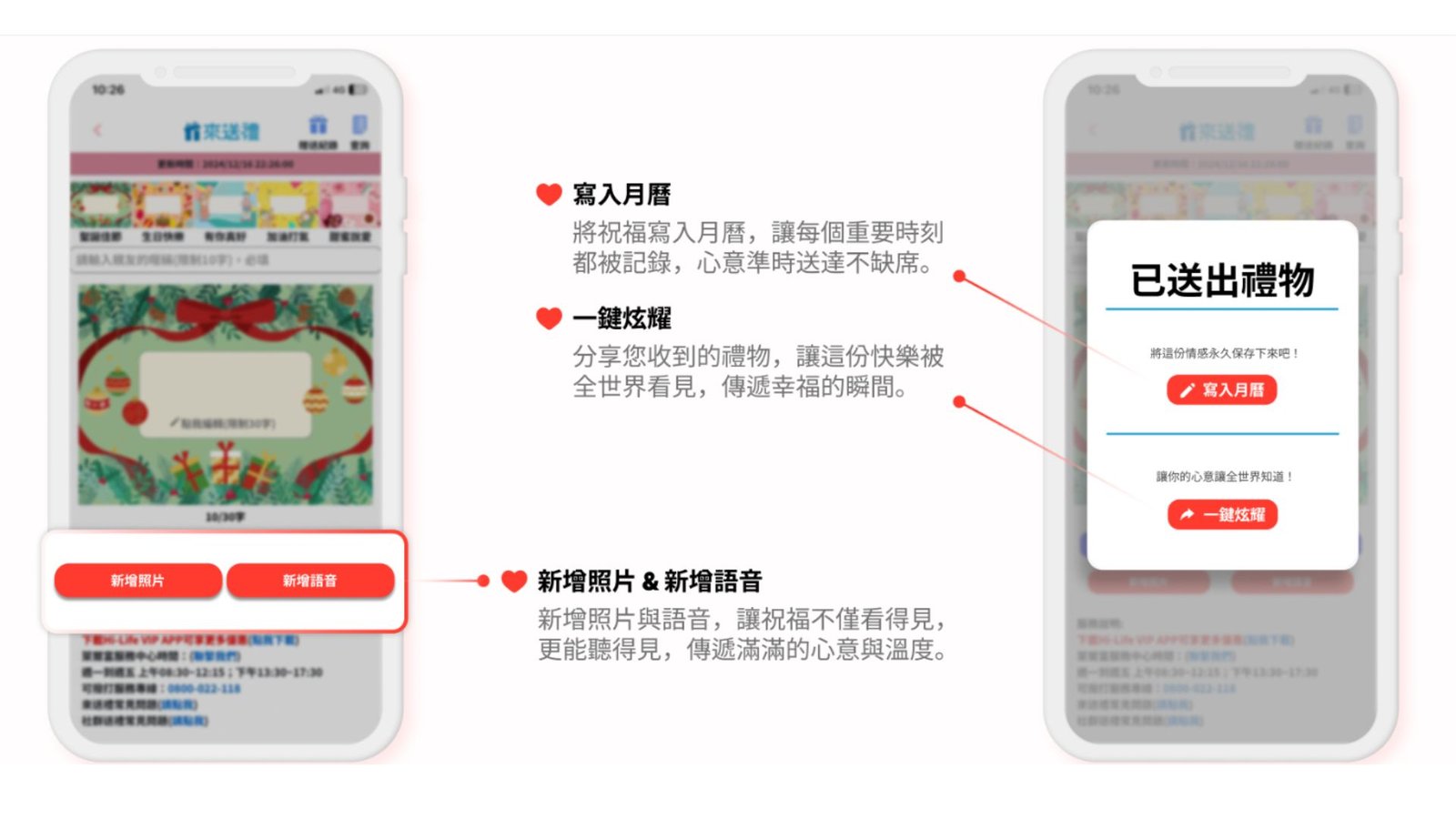
A. Better gifting: voice messages, custom digital cards, return gifts and sharing
The problem:
- The digital greeting card in the current service carries no clear emotional value; people generally said they glanced at it and forgot it, with nothing to hold onto. The gesture therefore lands weakly, which hurts both retention and people's willingness to take part.
- The existing service has no two-way interaction and no emotional feedback. The recipient cannot easily respond to the sender, so the moment for interaction is missed and the emotional loop never closes.
How this feature answers it:
- Voice messages and custom card design offer a more personal, warmer way of saying something, so the message is memorable, the gift carries more emotional depth and more value as a memory, and the connection between the two people is stronger for it.
- A one-tap return gift plus sharing lets the recipient express something back quickly, while spreading that connection through their family or friends. It strengthens the relationships, and it helps the brand travel.
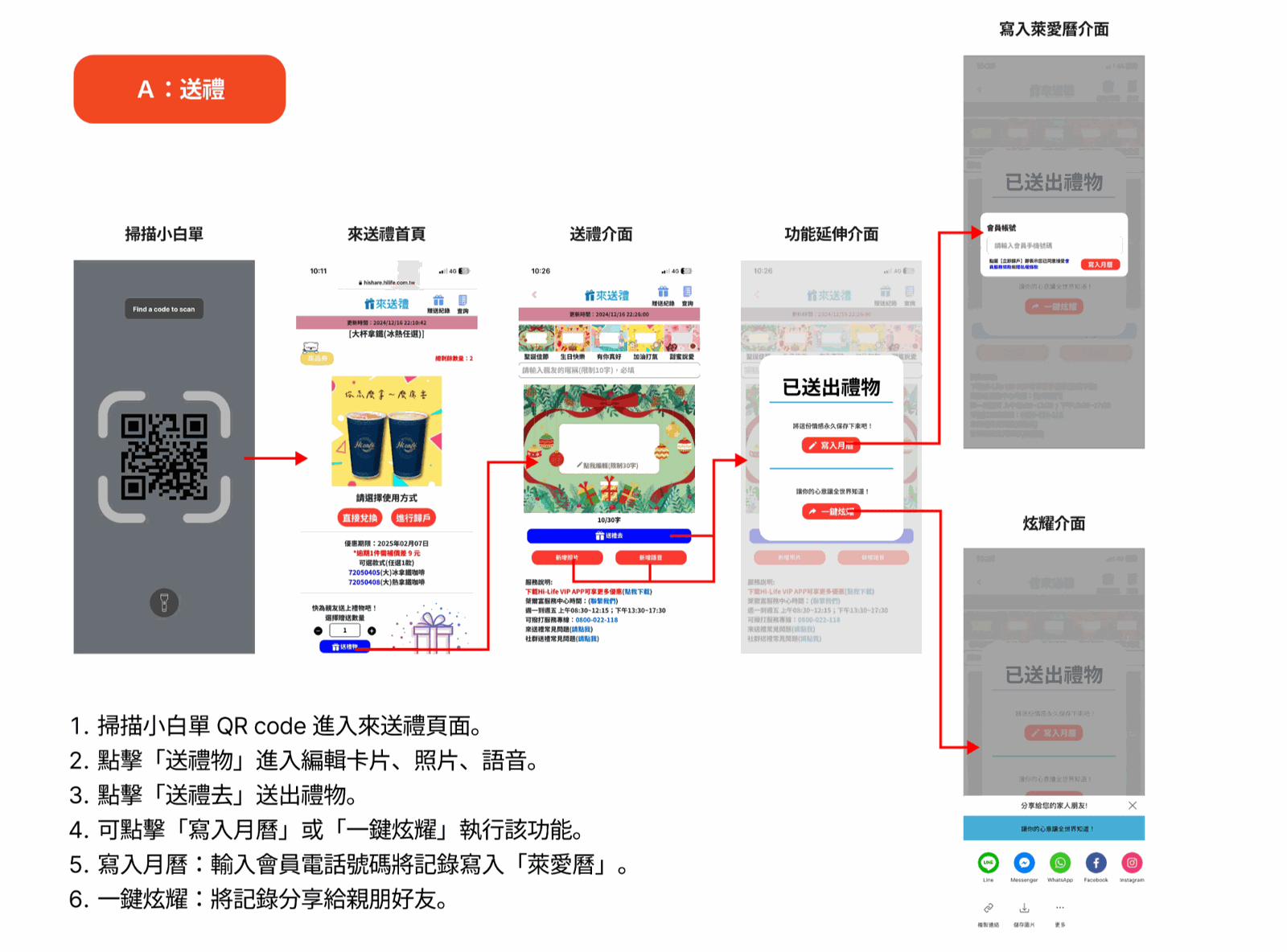
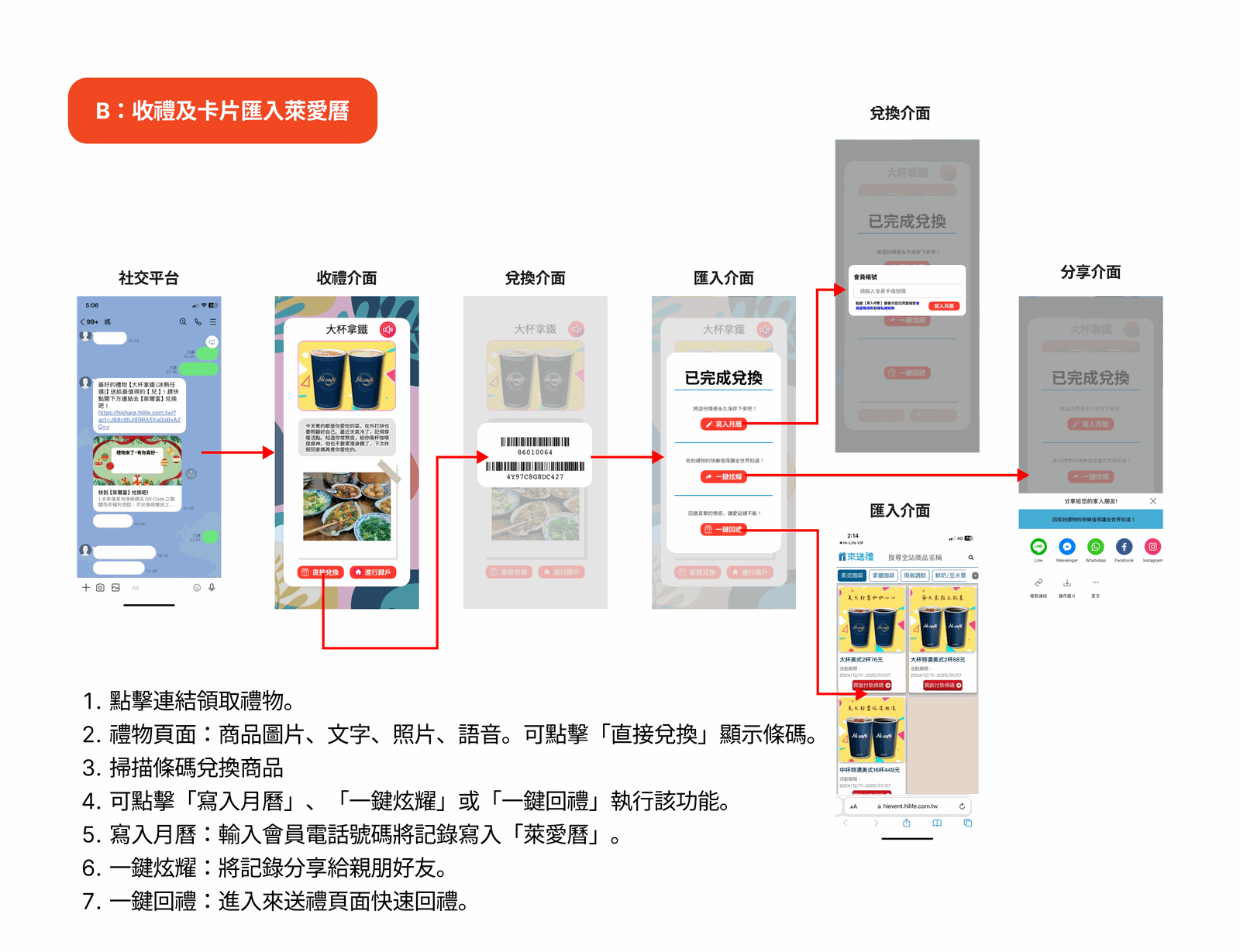
B. Receiving a gift and saving the card to the Gift Calendar
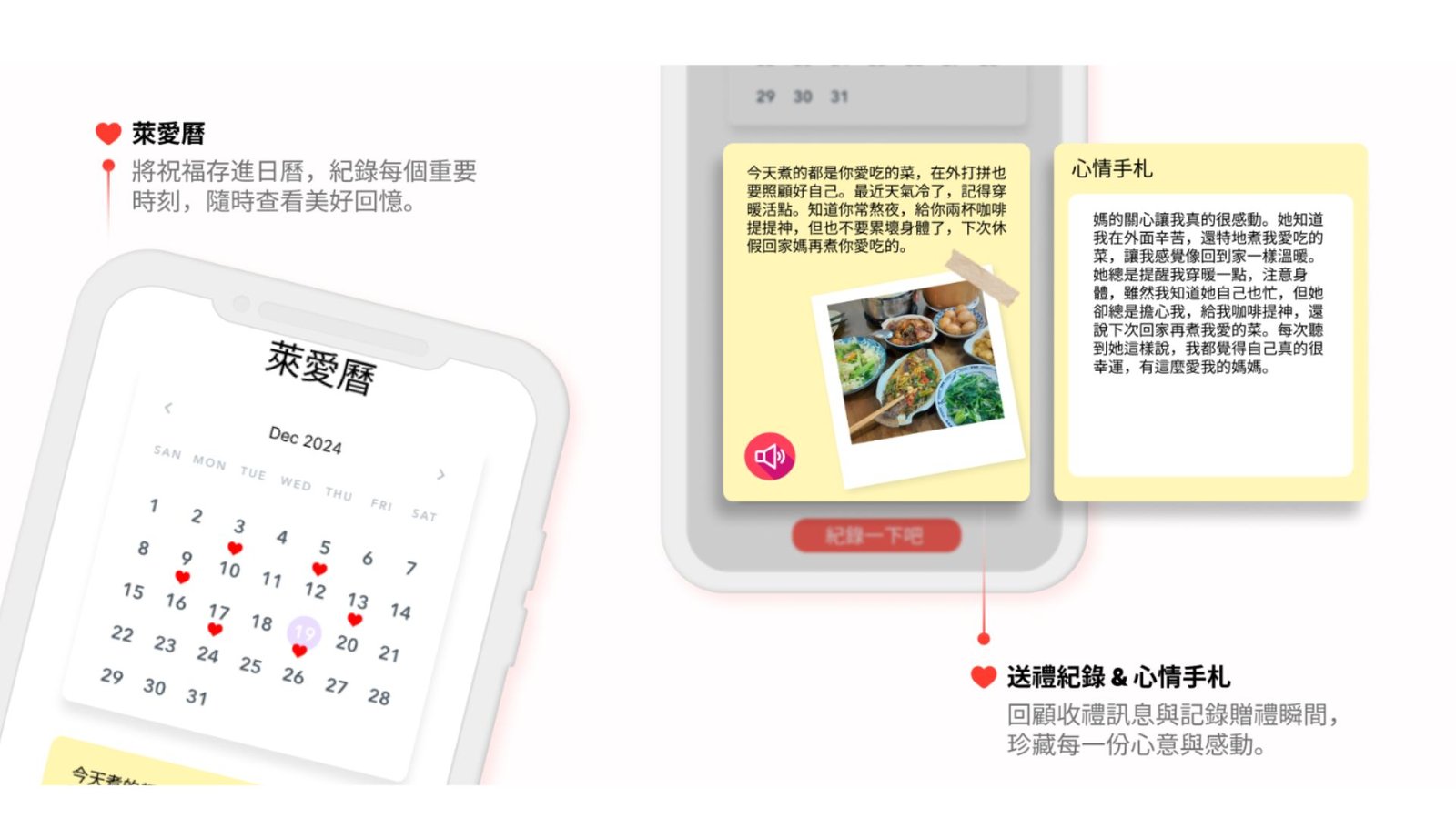
The problem: the gifting experience has no continuity and nothing memorable in it. People cannot revisit past gifts or past exchanges, which breaks the emotional thread and leaves little reason to use the service again.
How this feature answers it: a "memory wall" systematically stores the voice message, card and photos from each exchange, so the recipient can revisit them whenever they like. The feeling carries further, creating something memorable over the long term and real stickiness for the brand.
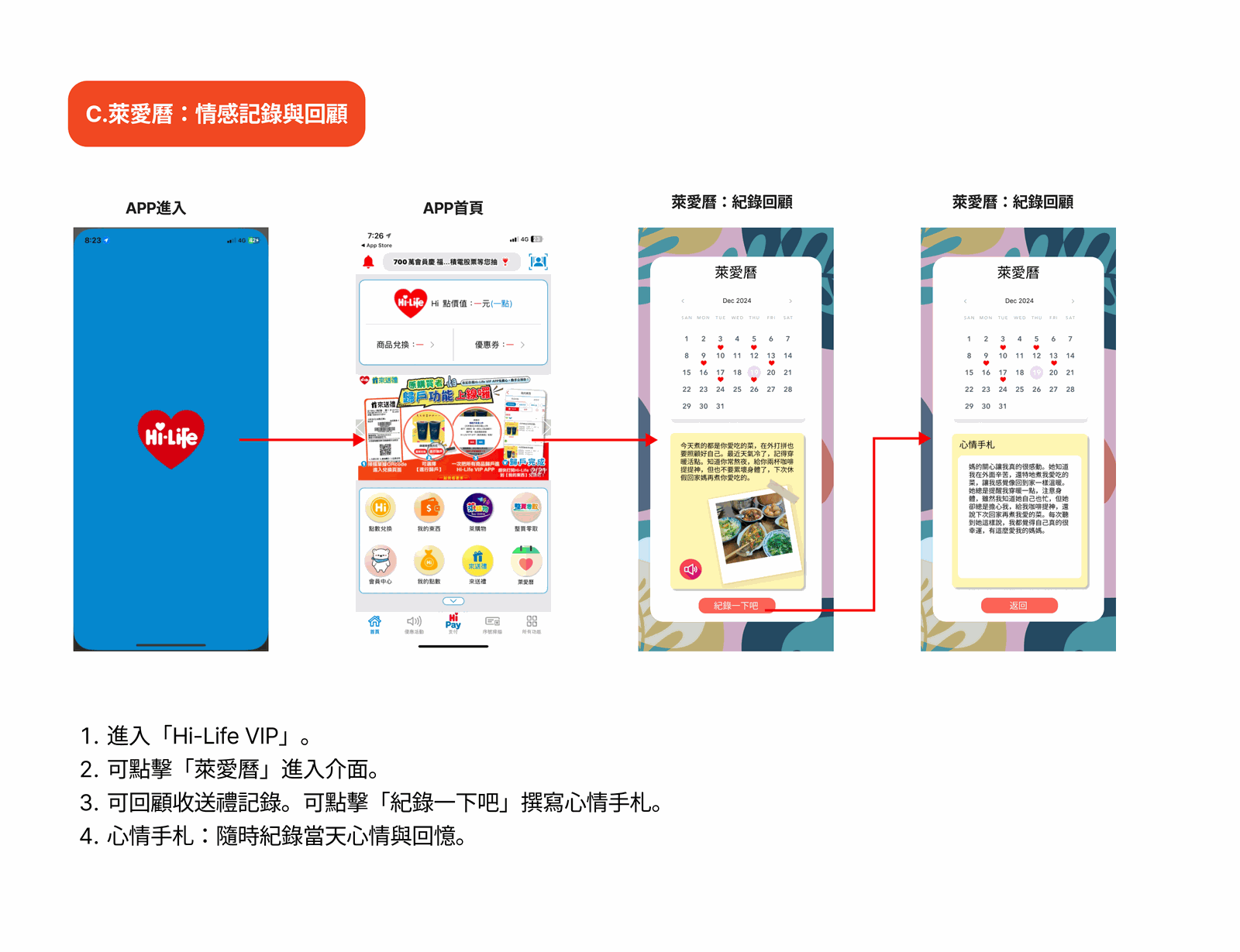
C. The memory wall (the heart of the Gift Calendar)
The problem: the gifting experience has no continuity and nothing memorable in it. People cannot revisit past gifts or past exchanges, which breaks the emotional thread and leaves little reason to use the service again.
How this feature answers it: a "memory wall" systematically stores the voice message, card and photos from each exchange, so the recipient can revisit them whenever they like. The feeling carries further, creating something memorable over the long term and real stickiness for the brand.
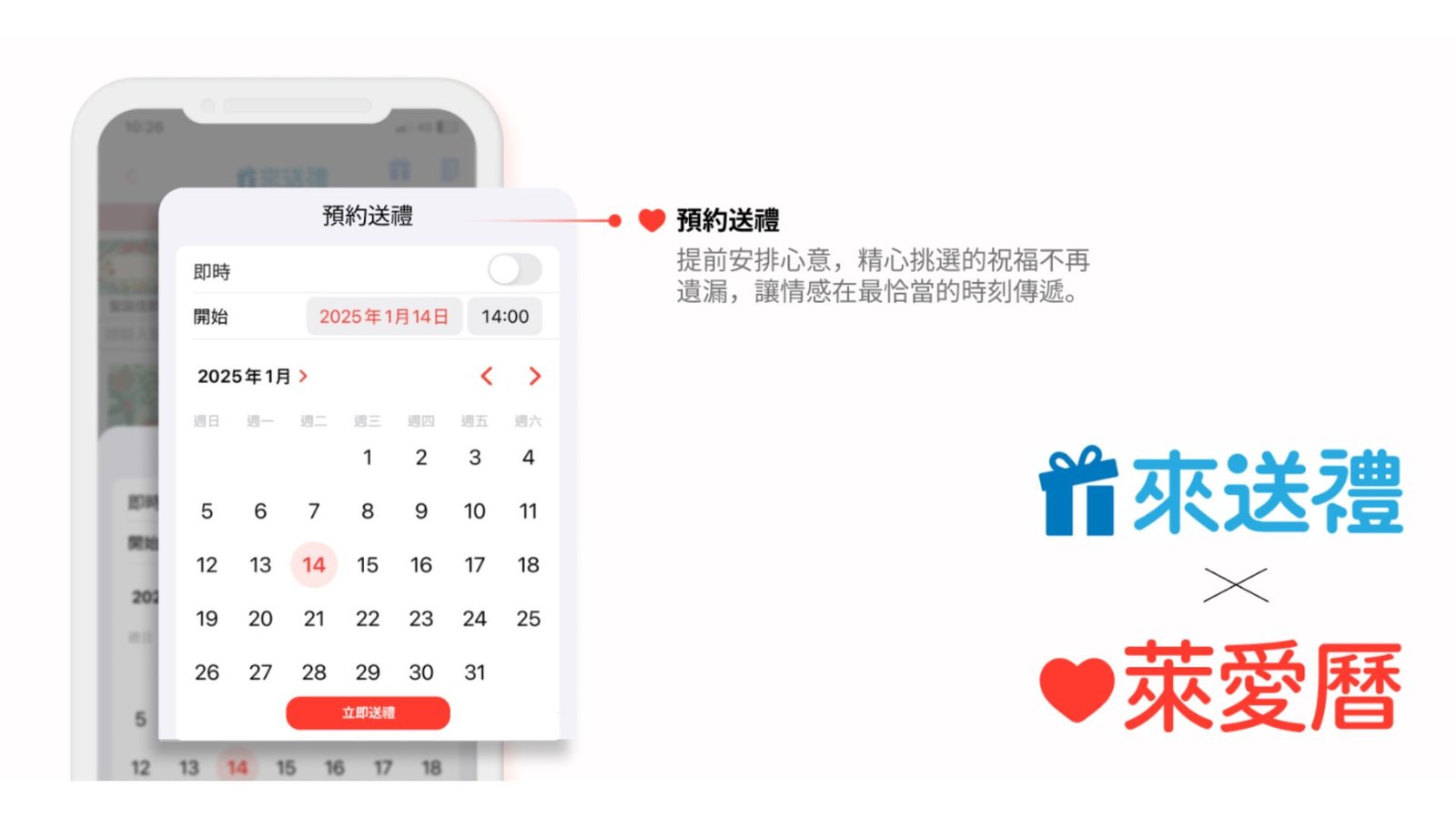
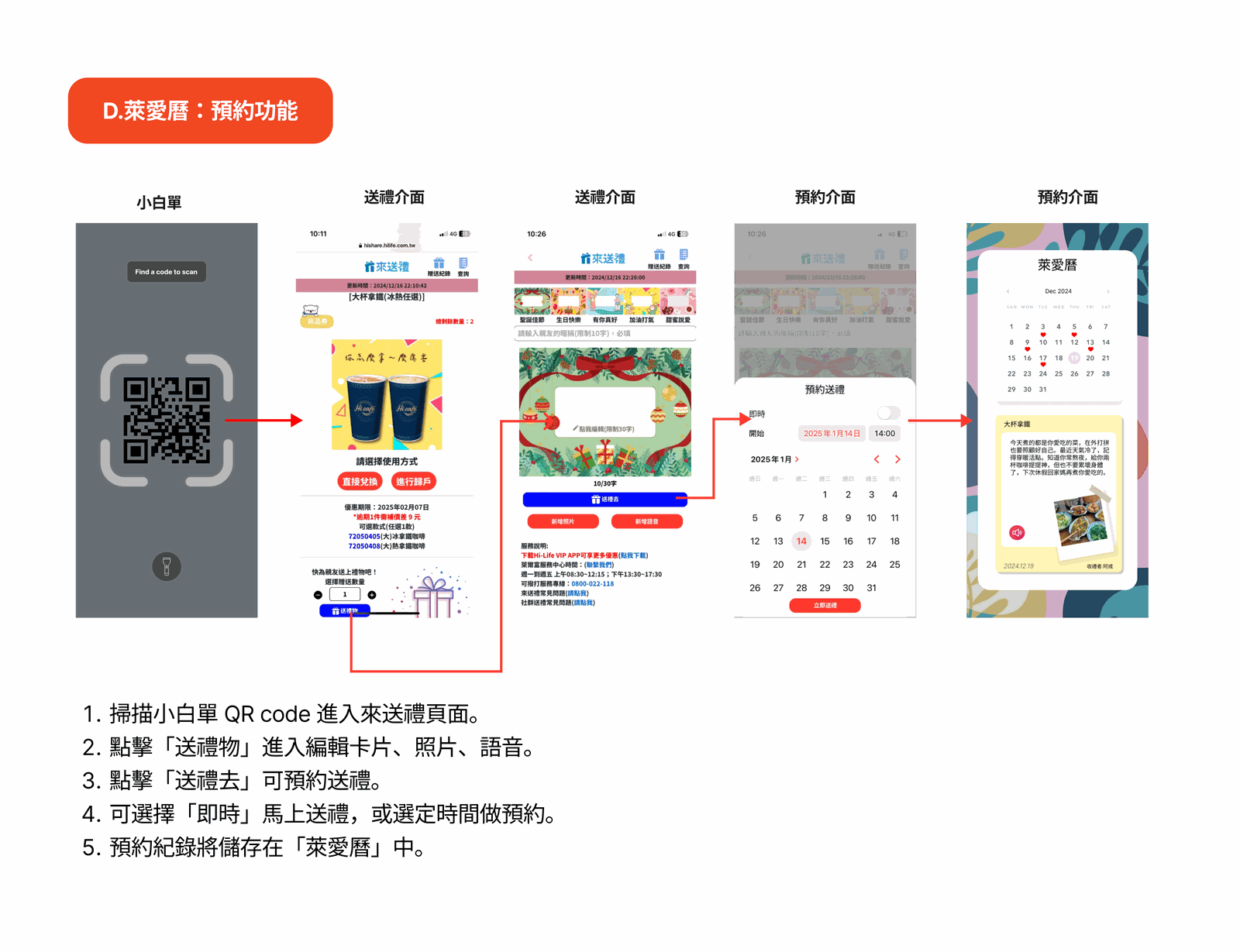
D. Scheduled gifts (reminders and scheduling)
The problem: young office workers are busy enough that they cannot always keep track of the dates that matter to the people close to them, and the chance to say something passes. Older users, separately, told us they wanted to "set it once and not have to do it again every time", to cut down what they had to learn and operate.
How this feature answers it: with scheduled gifts, people can set a future gifting date in advance — a family member's birthday, a friend's late night at the office, a parent's health check. The system sends the message and the gift automatically on the day, and a reminder can prompt the sender to confirm or change the contents beforehand. The feature stops things being missed, strengthens the sense of ritual and gives people back a feeling of control over their timing, while making the service more useful and more convenient over the long term.
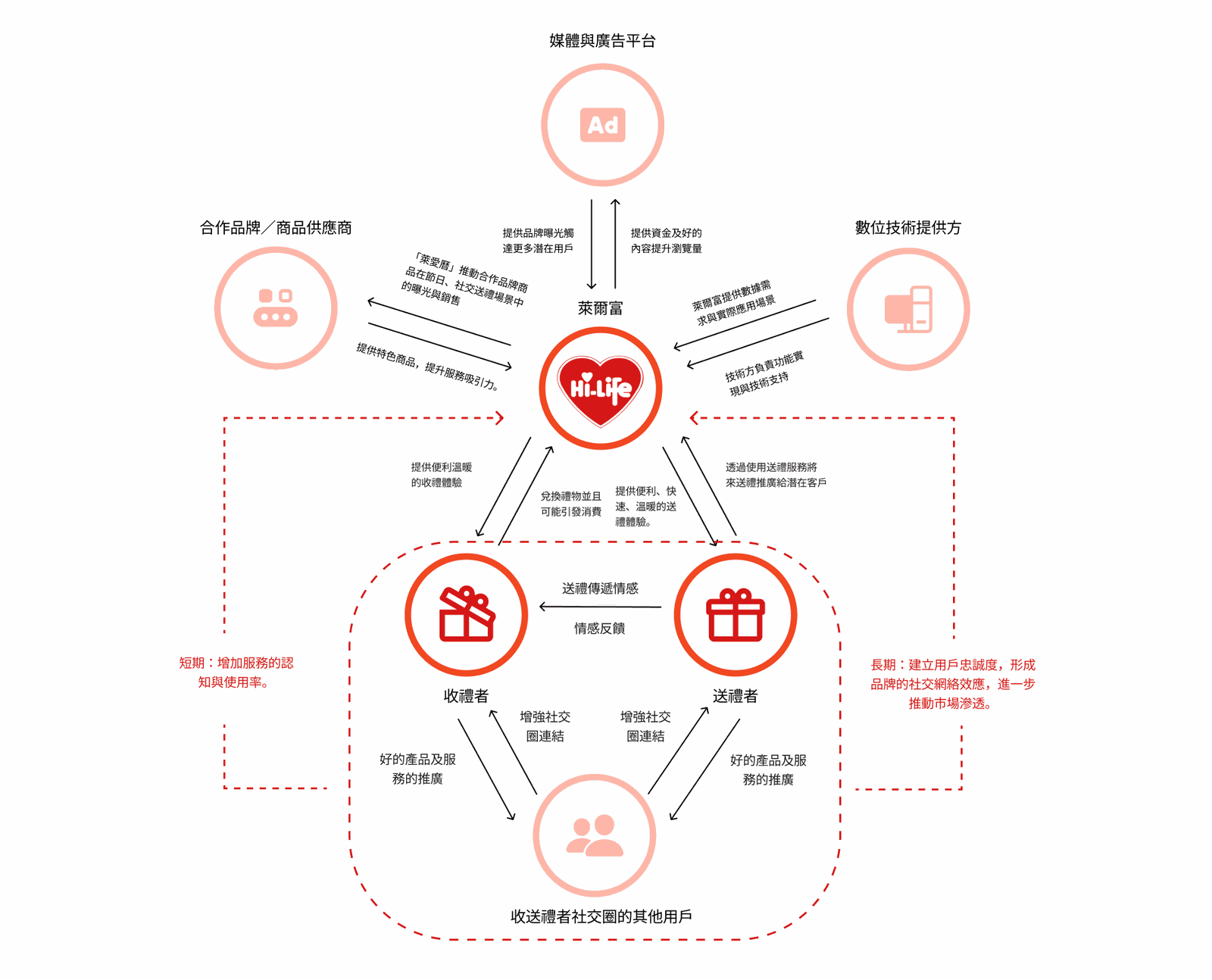
Stakeholders & outcome
Stakeholder analysis for rolling the service out
Award